From 28/02/2026 to 11/11/2026
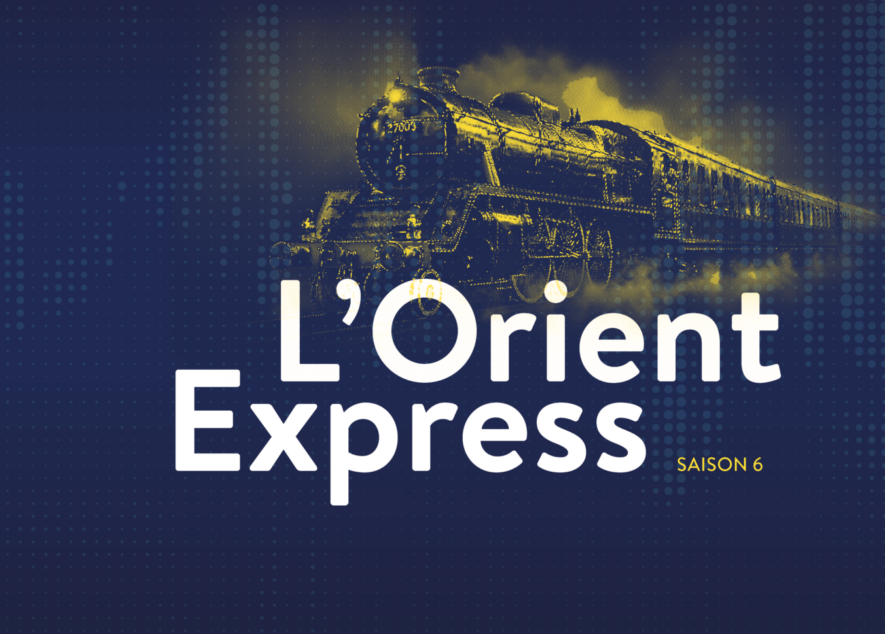
A transcontinental train linking Paris to Constantinople for the first time, the Orient Express established itself as one of the great symbolic achievements of the 19th century. A technical, economic, diplomatic, and artistic tour de force, it embodied a dream of modernity and luxury. Serving as a bridge between the West and Western Asia, the Orient Express was above all the train of Europe: it offered its distinguished passengers the discovery of Central European landscapes and cultures.
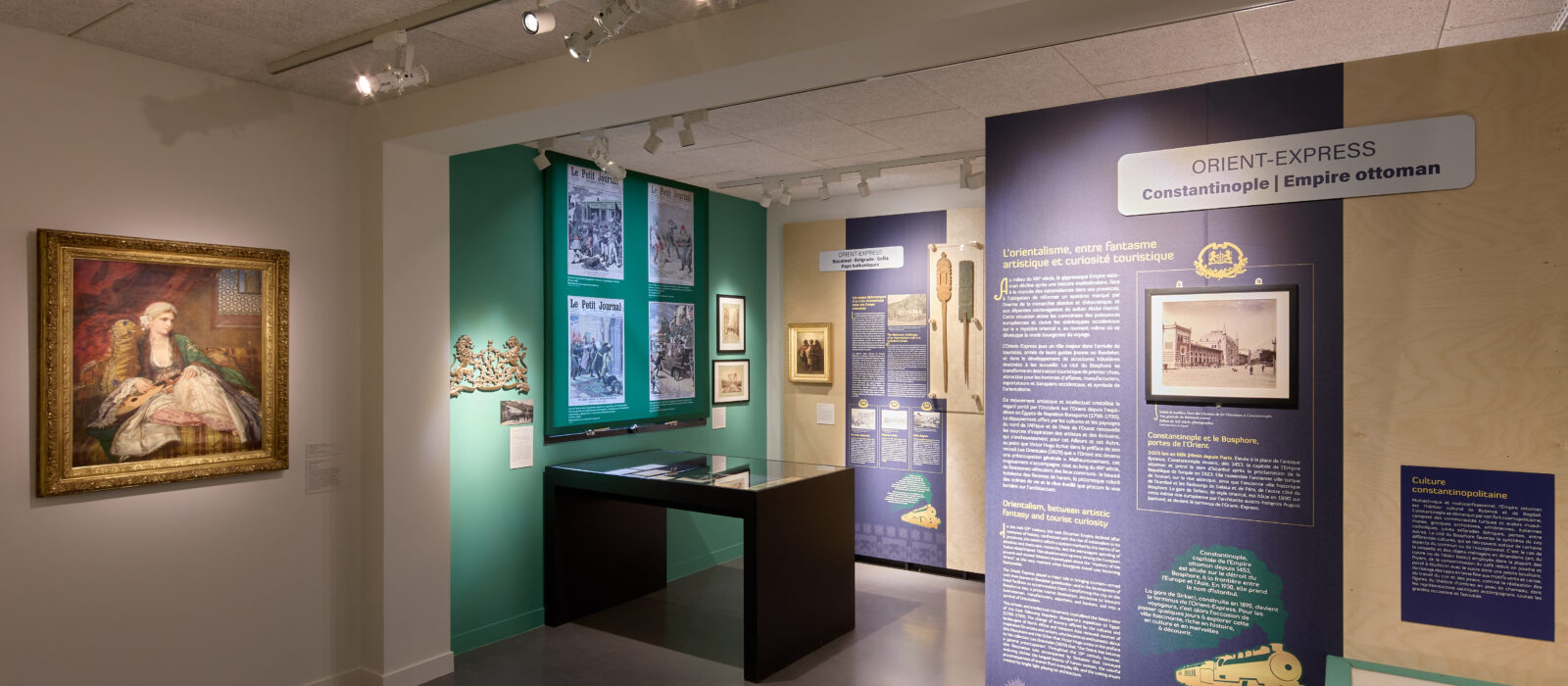
Through a selection of emblematic works and objects, the exhibition retraces the epic story of the Orient Express during the Belle Époque, when the history of this legendary train began to be written.
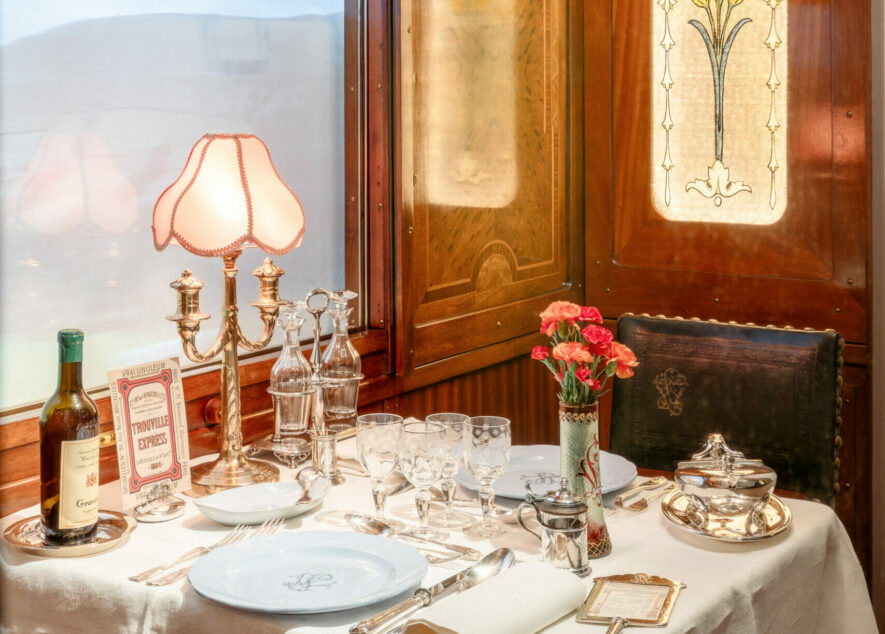
Inspired by a trip to the United States, where he discovered George Pullman’s luxurious night trains, Georges Nagelmackers (1845–1905) conceived a new model of travel. On his return to Europe, he founded the Compagnie Internationale des Wagons-Lits in 1876, before the Orient Express made its first journey across the European continent in October 1883. A visionary, Nagelmackers relied on technical and communication innovations.
The First World War hampered the Orient Express. In 1919, the Compagnie des Wagons-Lits inaugurated the Simplon Orient Express, whose route traced a new diplomatic geography (excluding the countries of the Triple Alliance) and thus opened a new chapter in the history of the legendary train.
One of Georges Nagelmackers’ great innovations was to design carriages that combined luxury, comfort and modernity in the spirit of transatlantic liners. On board the Orient Express, the journey became an experience in itself: French refinement combining tasteful décor – soon to be influenced by Art Nouveau and then Art Deco, notably with wood panelling and marquetry by René Prou – exceptional cuisine and comfort.
More than just a means of transport, the Orient Express became a symbol of modern luxury, reflecting a refined art de vivre that left a lasting mark on the imagination of the Belle Époque. The train was an accessory, a theatre stage for European high society, thanks to the quality of its carriages: some people only travelled part of the way, solely to host a lunch or dinner on board the train.
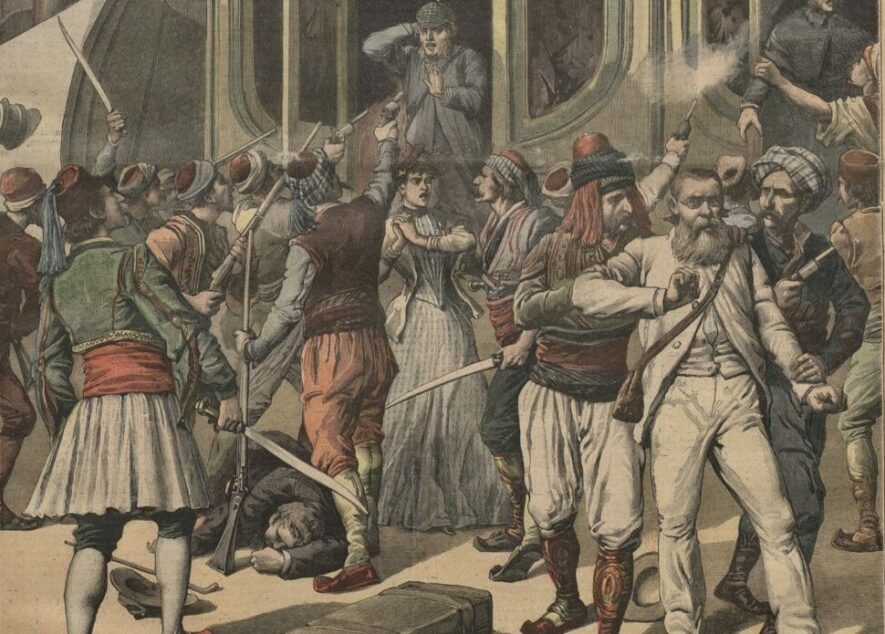
Creating an international train was a technical, political and diplomatic challenge. In a Europe marked by the Franco-Prussian War, rising nationalism in the Balkans and the decline of the Ottoman Empire, Georges Nagelmackers’ project was a remarkable feat. Sometimes crossing areas of tension, the train was also exposed to attacks and geopolitical uncertainties. Thanks to his diplomatic skills, Georges Nagelmackers managed to rally local railway companies and obtain the support of the major powers through which the train passed. The Orient Express thus became an instrument of dialogue and movement in a Europe with shifting borders.
During the Belle Époque, Western Europe’s fascination with the Middle East fuelled a vast artistic and literary movement: Orientalism. Painters and writers invented a dreamlike Orient, both mysterious and dazzling, which fed the collective imagination and sparked a desire to escape.
As the prestigious terminus of the Orient Express’s maiden voyage, Constantinople became the emblematic destination of this Western aspiration to travel. A cultural, economic and diplomatic crossroads, the city captivated visitors with its thousand-year history and architecture. The tourist guides of the time offered itineraries for travellers in search of exoticism and picturesque scenery. Many had their photographs taken dressed in Turkish style, seeking to embody this fantasised Orient, while ignoring the signs of modernity in a rapidly changing society. Their stay, often rushed, lasted only a few days before they returned home.
Aware of the need to provide accommodation for these new travellers, the Compagnie Internationale des Wagons-Lits opened the Péra Palace in 1892: a modern and prestigious establishment that quickly became legendary. Its most famous guests included Sarah Bernhardt, Mata Hari, Greta Garbo and Agatha Christie.
From 28 February to 11 November 2026
Exhibition curator: Roma Lambert, Director of the Villa du Temps retrouvé
Set design: Muséscene, Nicolas Bréard
Stage management: Art Expo / Florence Guionneau-Joie
Audio-visual design: Auvisys, Christopher Colin
visuals :
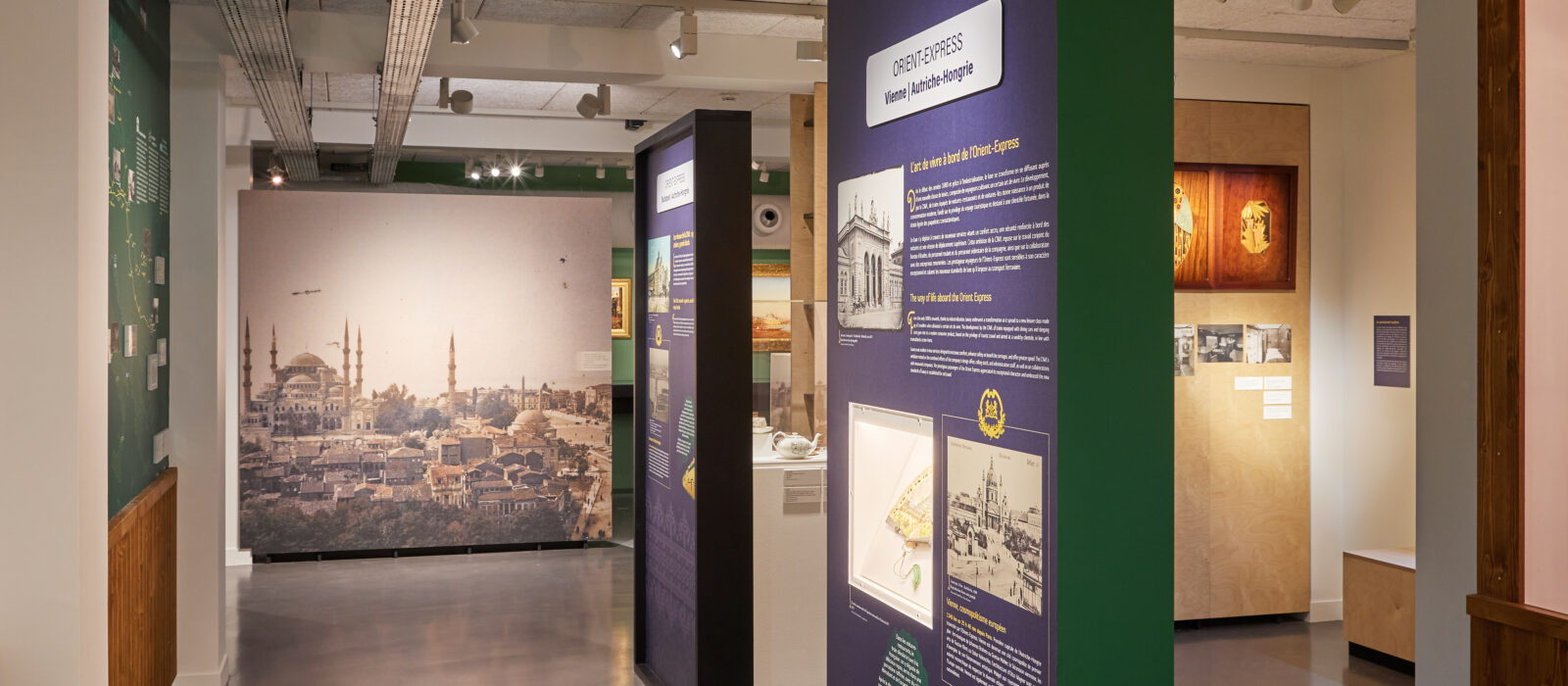
-Salle d’exposition Villa du Temps retrouvé – Cabourg ©Antoine Mercusot
-Reconstitution d’un wagon-restaurant de l’Orient-Express à la Villa du Temps retrouvé – Cabourg, Collection Michel Cozic ©Antoine Mercusot
-Anonyme, Une du Petit Journal. Supplément illustré Le brigandage, 20 juin 1891, document imprimé, Collection particulière
-Salle d’exposition Villa du Temps retrouvé – Cabourg ©Antoine Mercusot

 Accès
Accès Horaires
 Agenda